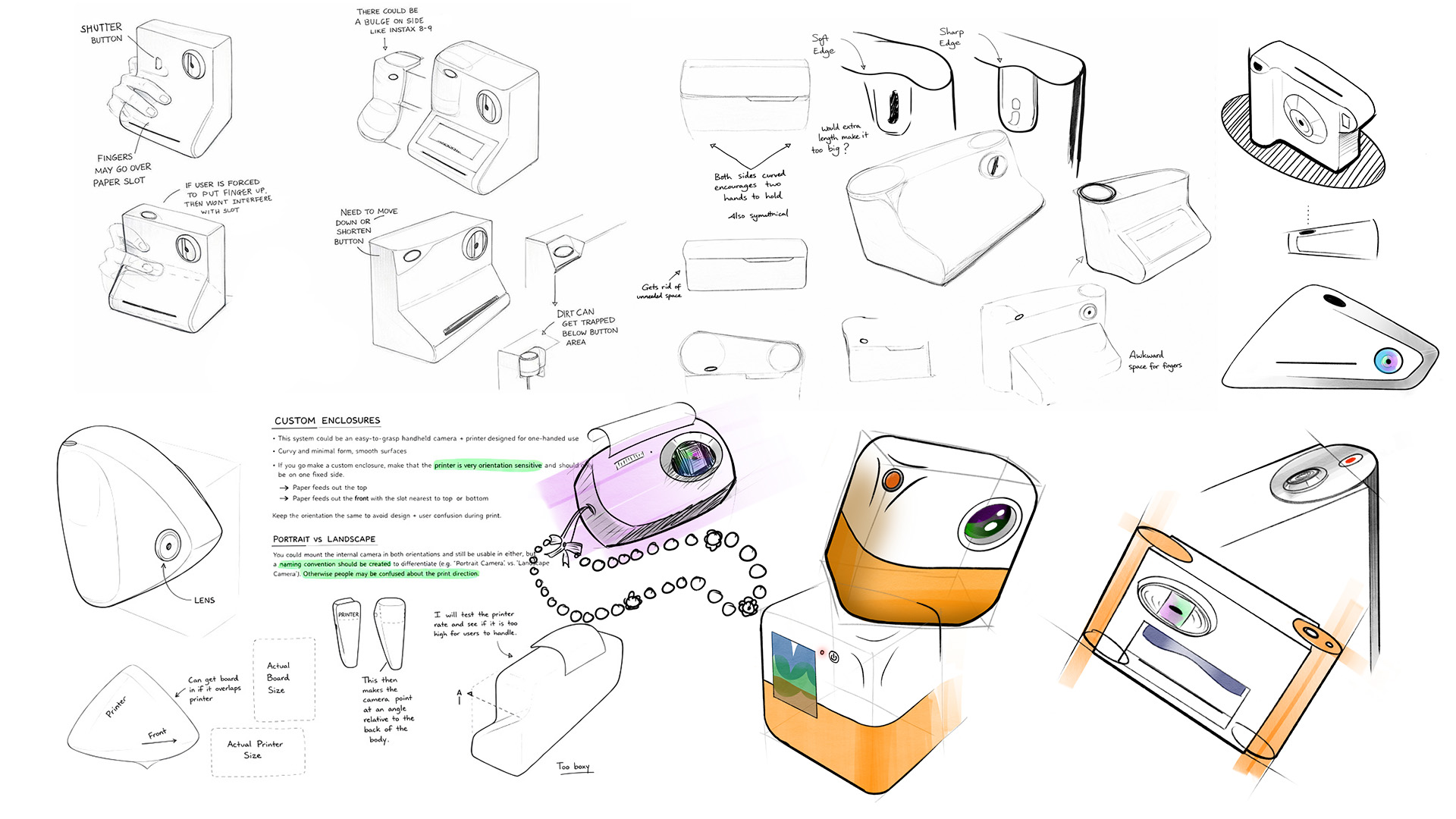
Initial ideation sketches
Overview
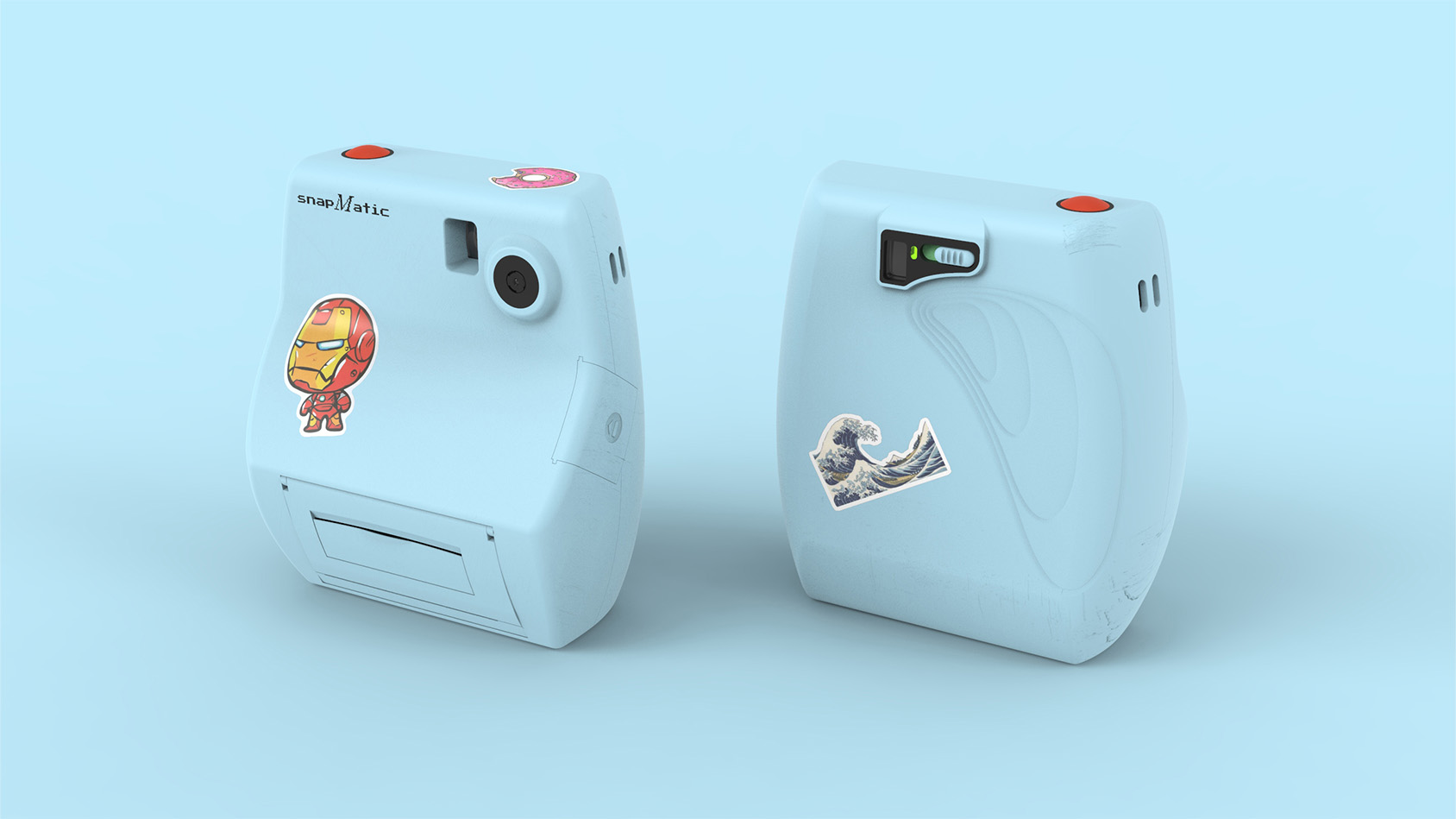
The concept was to design a beginner friendly camera for the creative market. This camera is a response to traditional instant film cameras that cost about $2 per shot. With a starting point and known internal technology constraints, I set out to ideate as many concepts as possible.
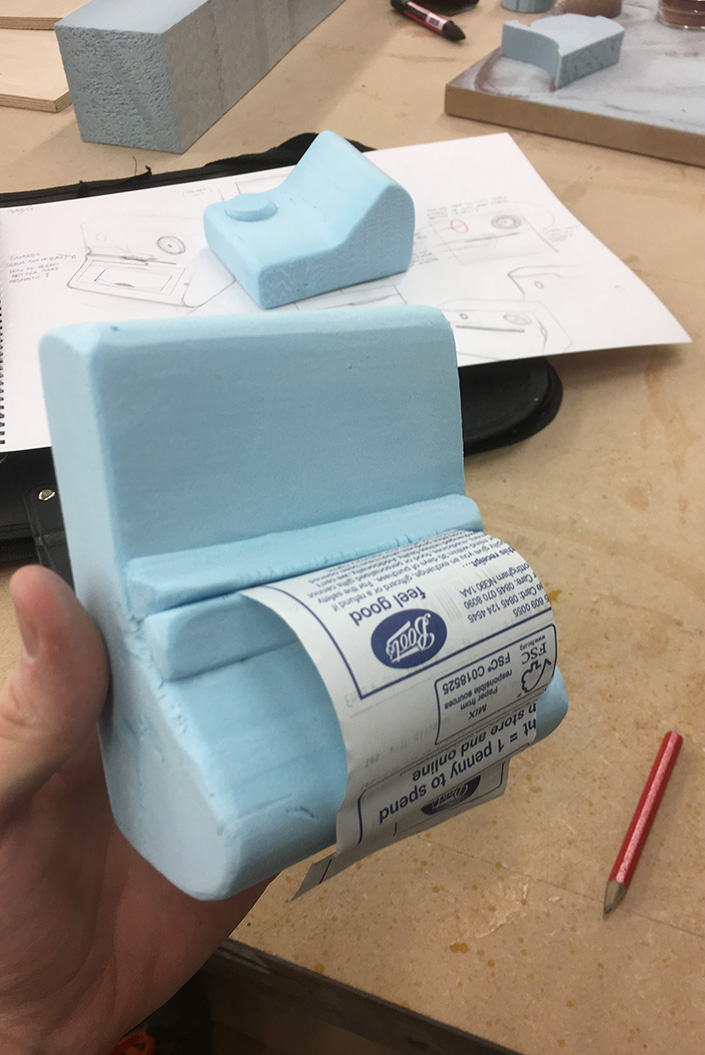
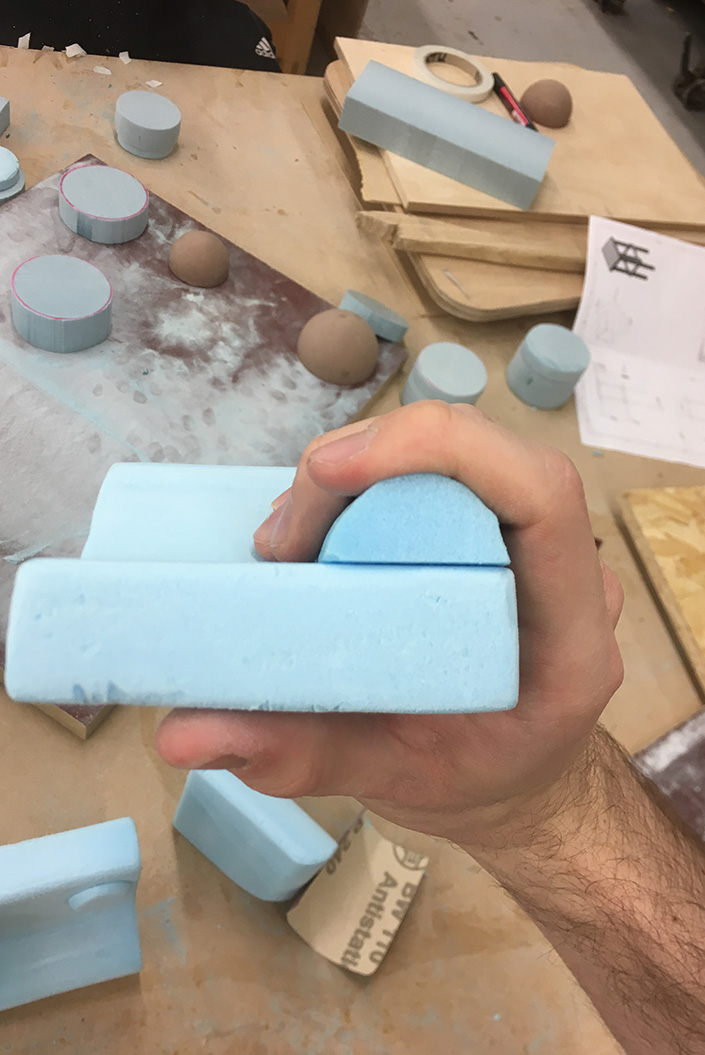
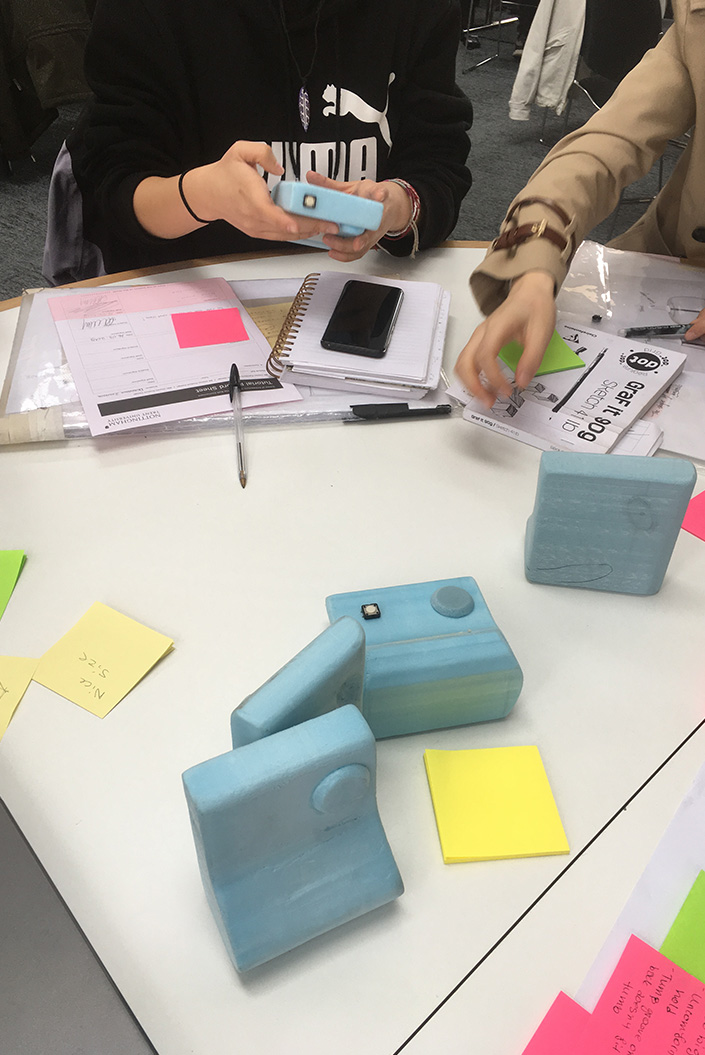
As the product would need to be held in the hands of user testers, I created a range of initial concepts using blue foam. Using the double diamond approach for this project, you can see how the number of models decreases and increases with each step of the process in the model lineup below.
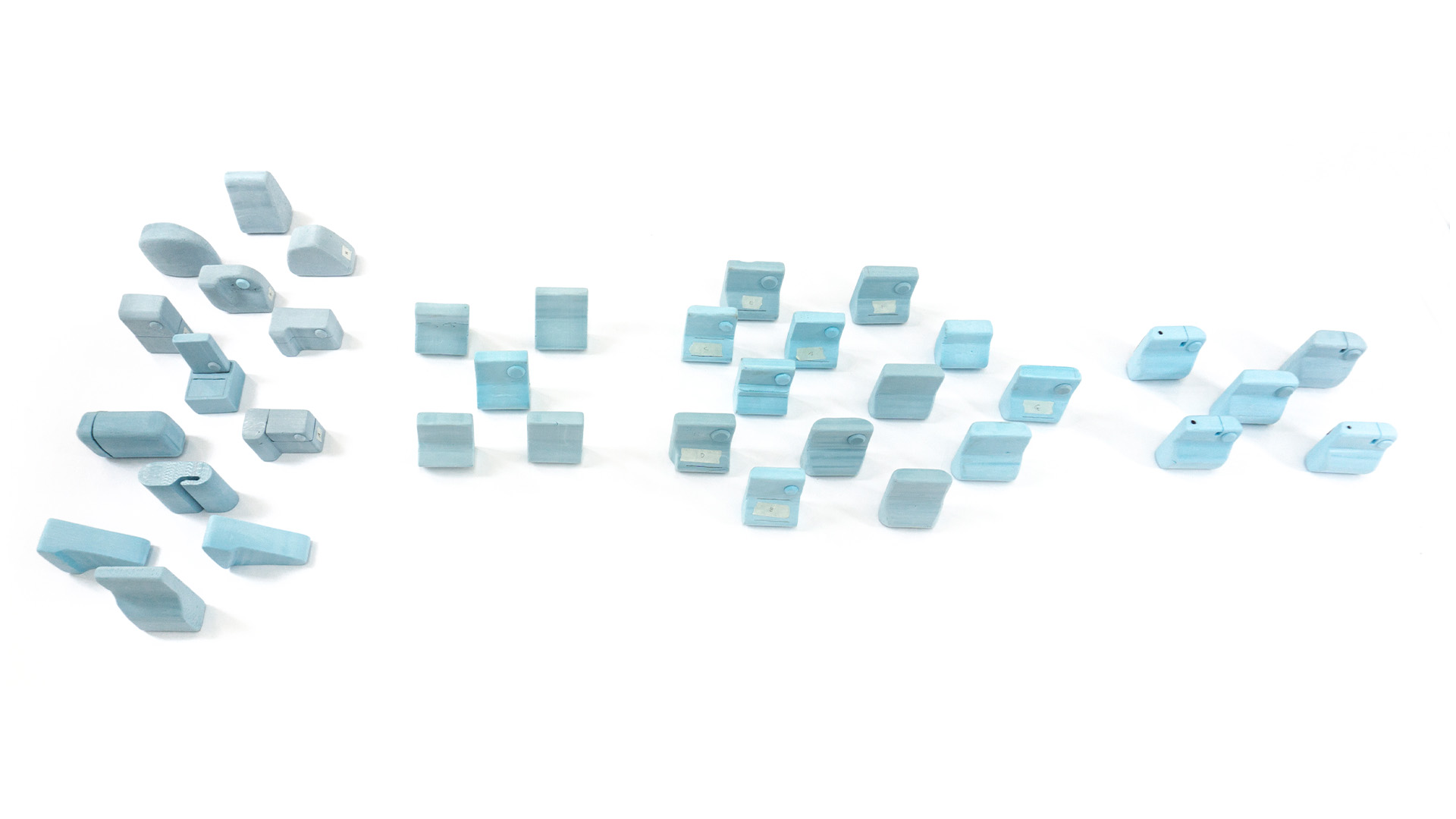
36 blue foam models were used in total
Process
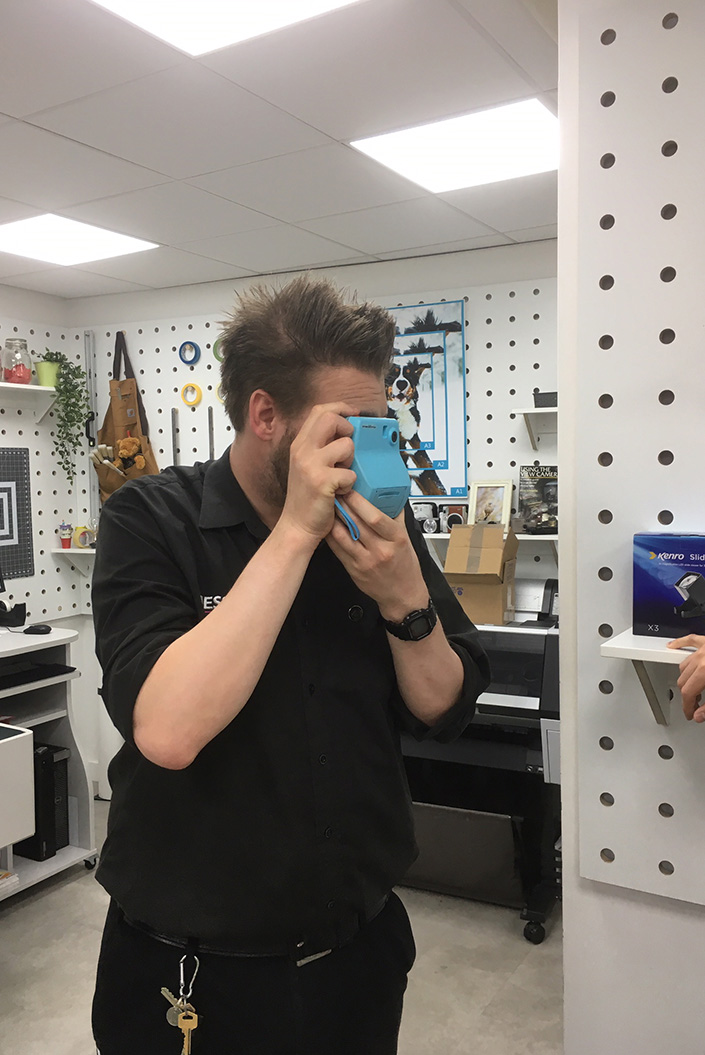
Approaching this project through the lens of the double diamond approach, I began by empathizing with potential users and defining the problem space. This involved understanding the pain points in the current camera printing experience and identifying opportunities for improvement. Speaking with casual users, photographers and retail workers gave an insight into how to approach the design challenge.
In the ideation phase, I explored a wide range of concepts, from traditional cameras to more unconventional designs. Through sketching and prototyping, I was able to narrow down my ideas and focus on a concept that combined the tactile experience of printing with the convenience of digital photography.
Technical Overview
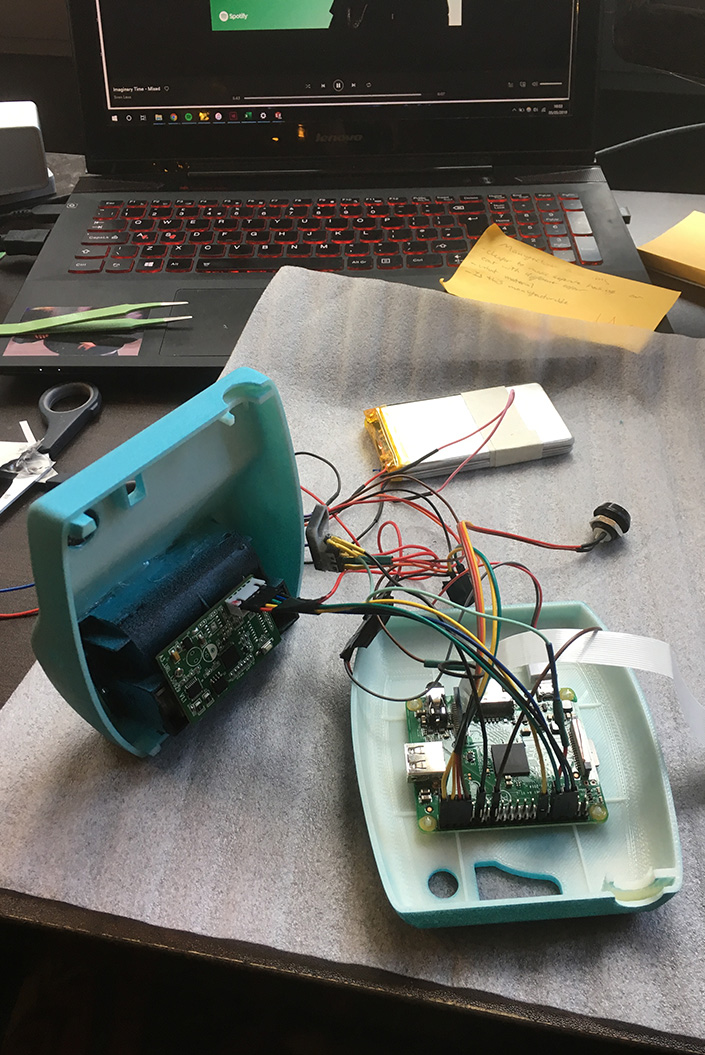
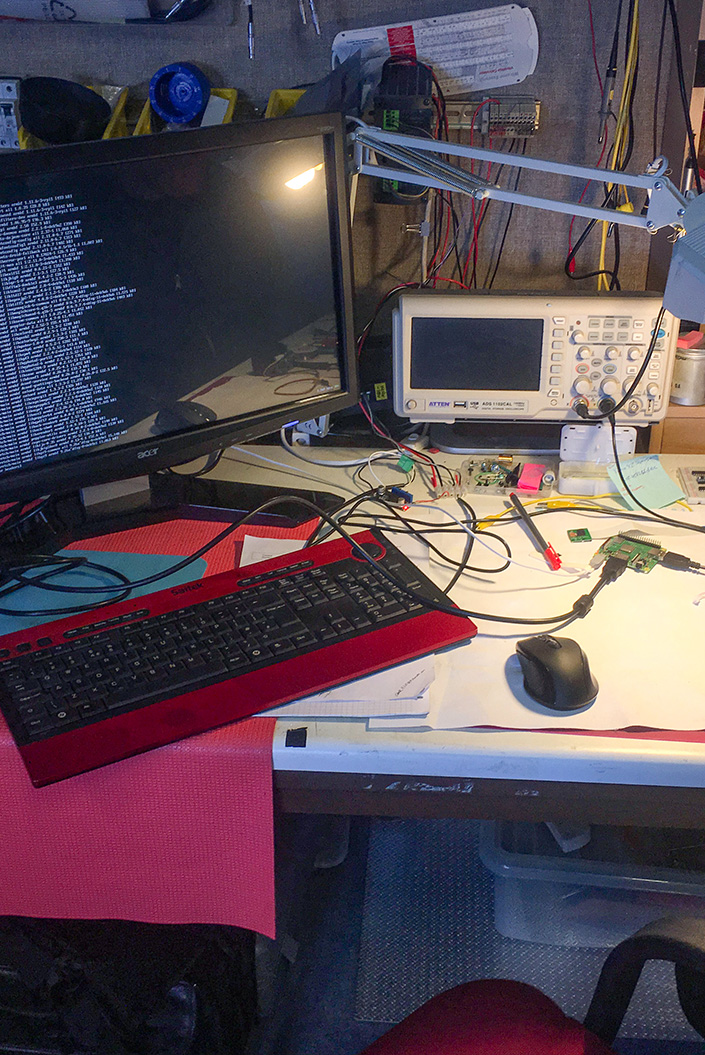
The camera works with a Raspberry Pi 3, a webcam and a commercial receipt printer all talking together with custom software from Adafruit that I had to compile myself.
Part of my justification process was to collaborate with injection moulders in the UK and have them check if my CAD files were ready for manufacture. As part of the project, a rough business plan was produced based on quotes and off-the-shelf parts.
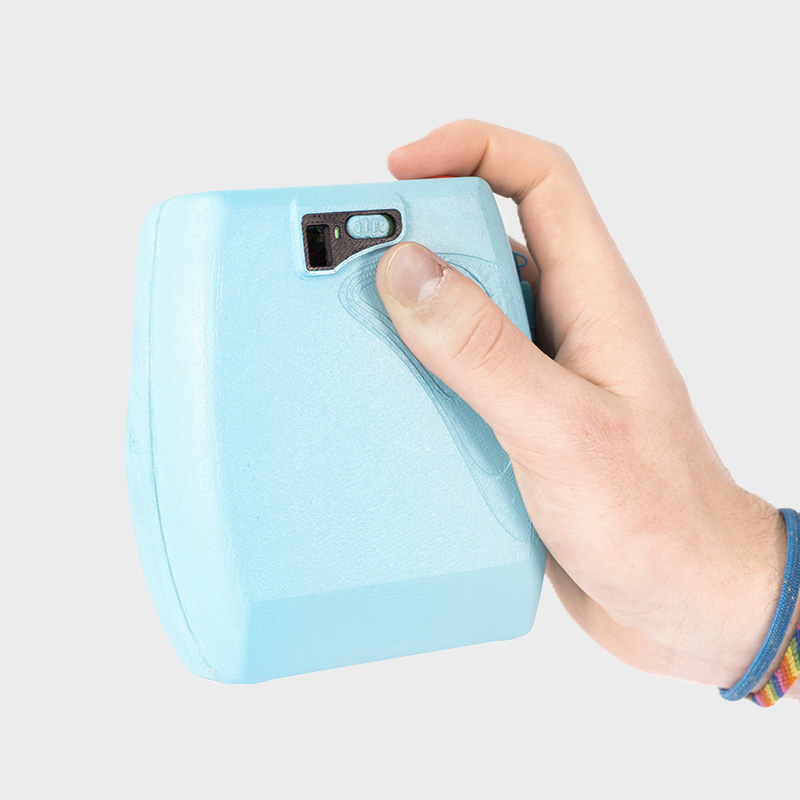
The prototype uses an internal battery pack that can be charged via USB-C port in the base, the production version would have a replaceable, rechargeable battery. The green indicator light next to the viewfinder turns red when the battery is low.
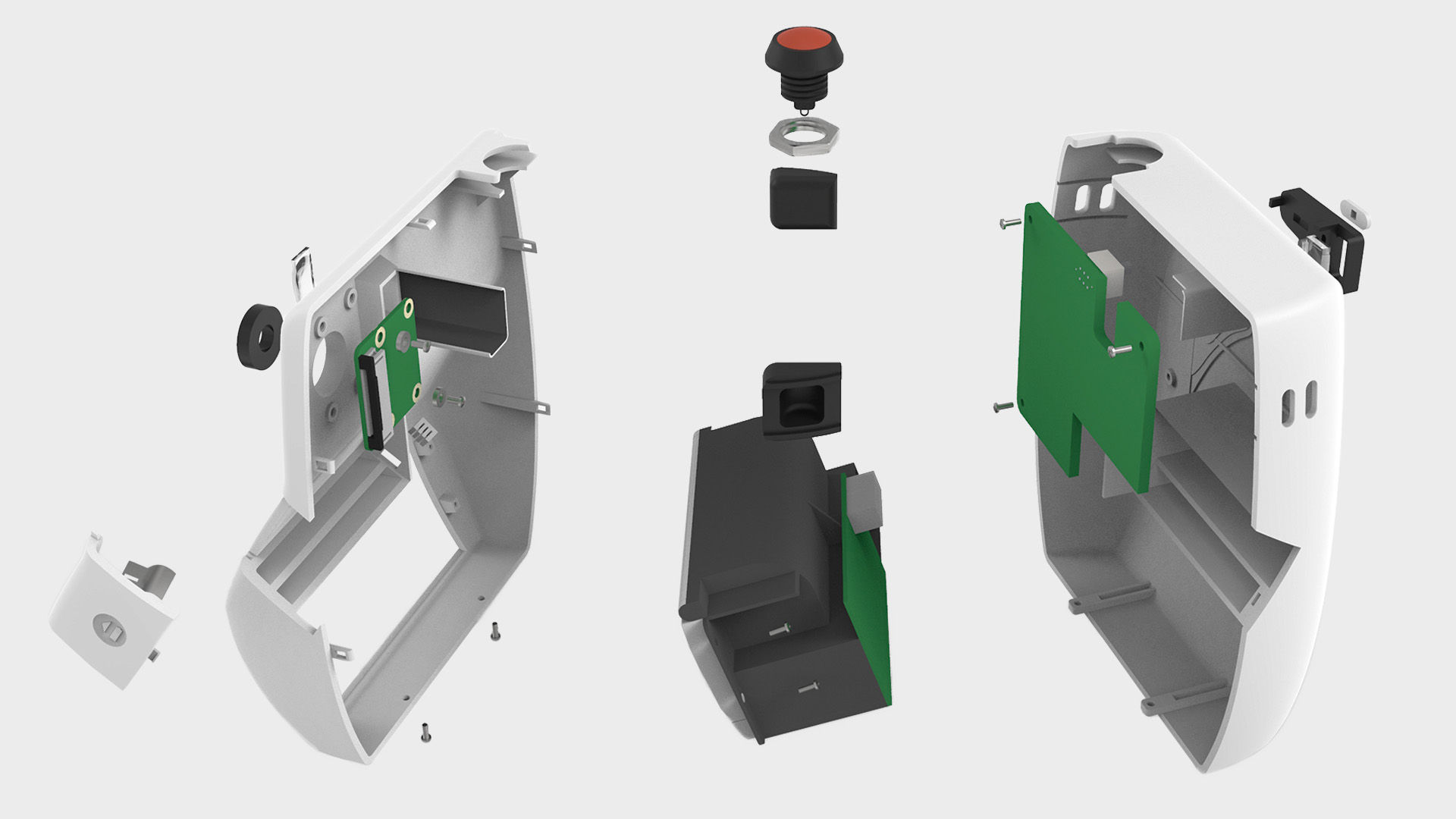
Exploded view of commercial design, with battery compartment and custom printed circuit board
Manufacturability
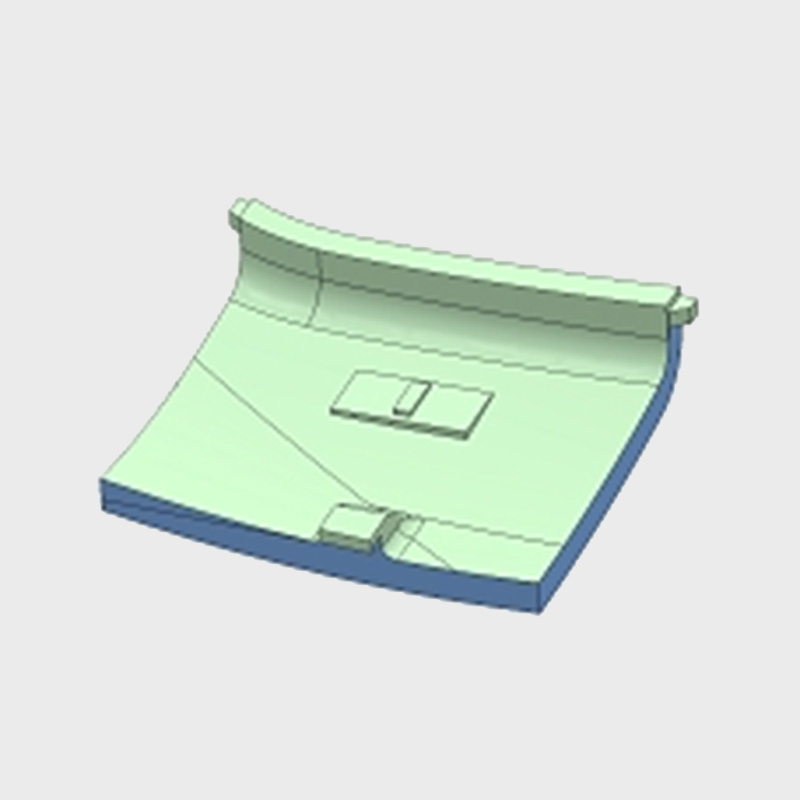
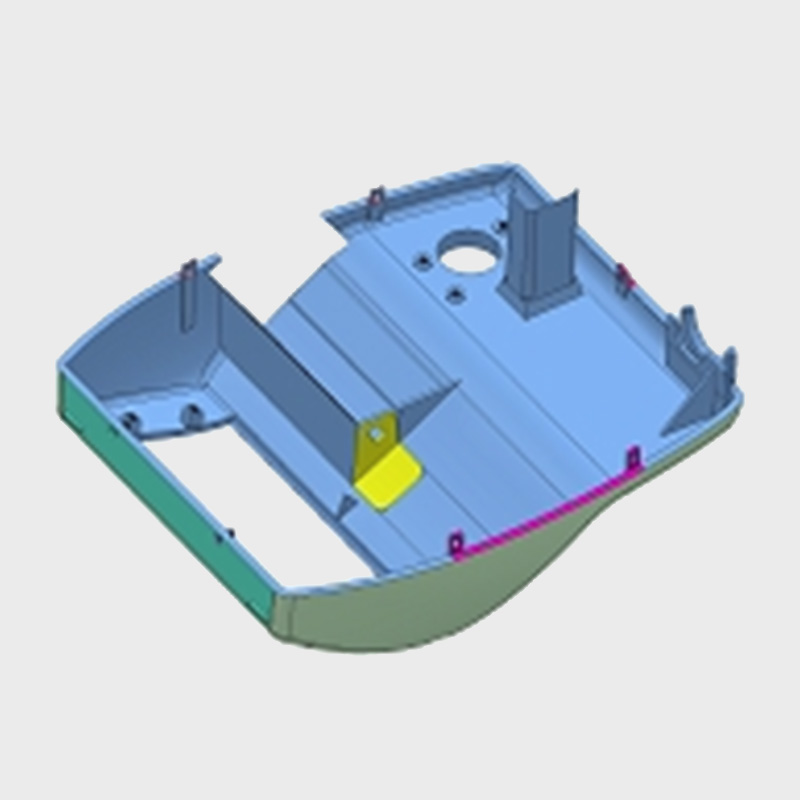
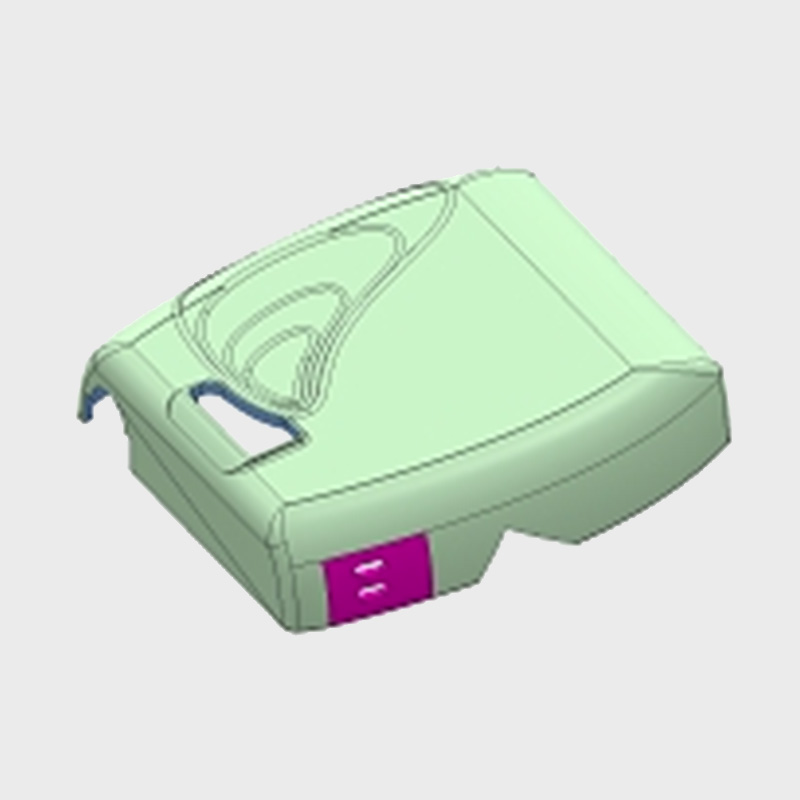
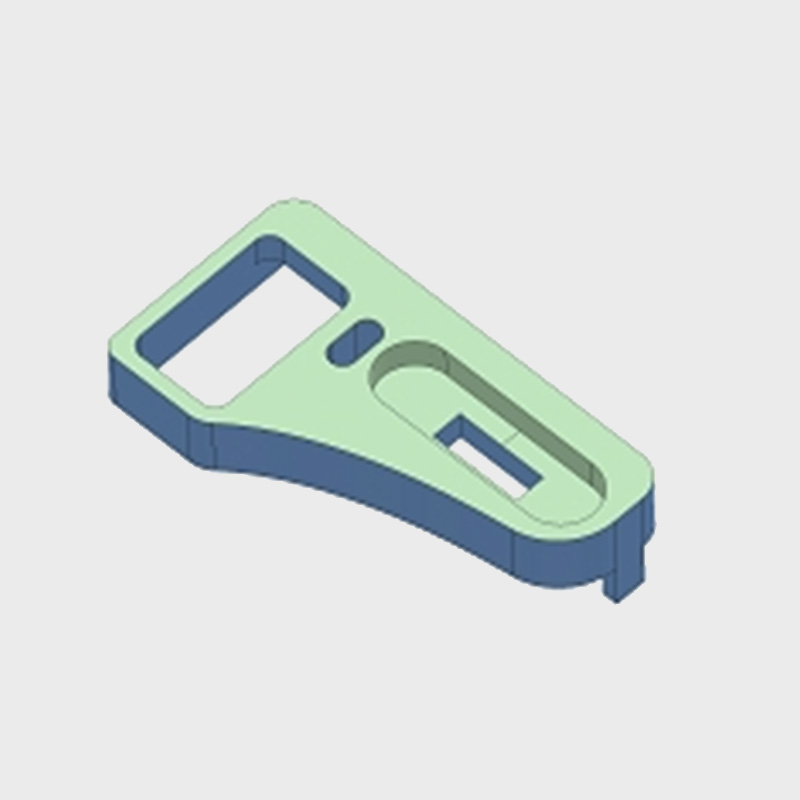
Analysis from local injection moulders provided me with feedback on the feasibility and cost of manufacturing the design at scale.
Outcome
The final outcome was a functional prototype that demonstrated the viability of the concept. Field testing proved that thermal printing is fairly enegry intensive, so a more powerful battery that the one used would be more appropriate for a commercial setting.
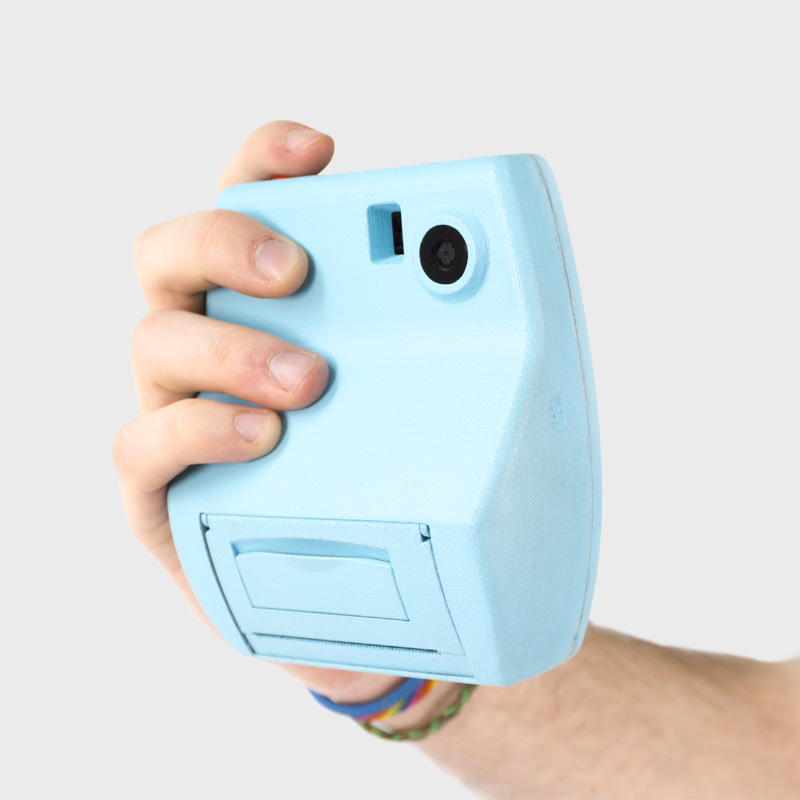
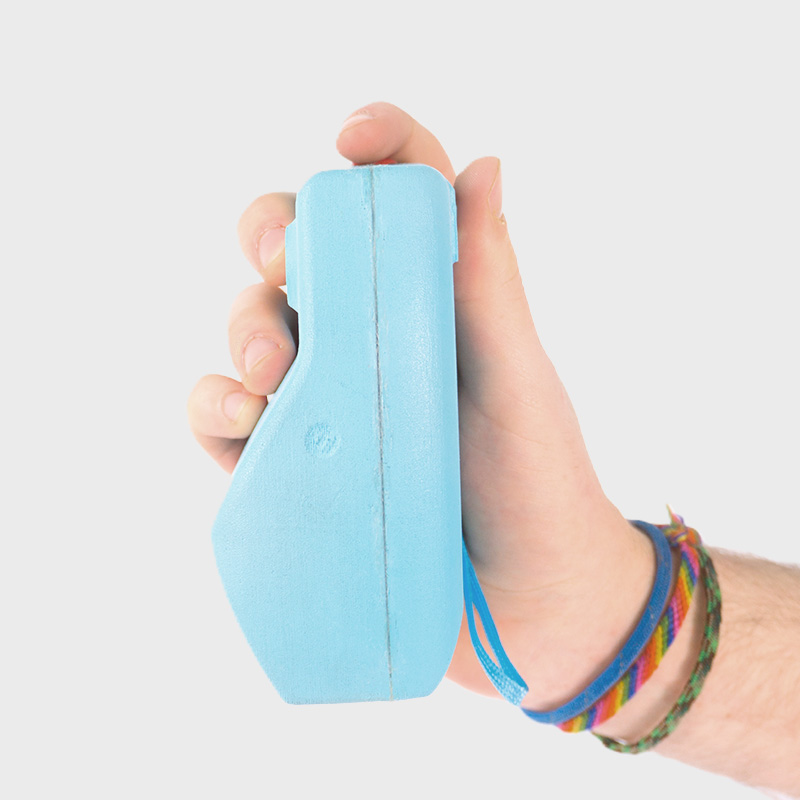
User feedback indicated a strong interest in the concept, with many participants expressing enthusiasm for the idea of having a very cheap alternative to instant film. The ergonomics of the design were also well-received, with portability, a comfortable grip and ease of use being highlighted as key strengths.
Product demo video
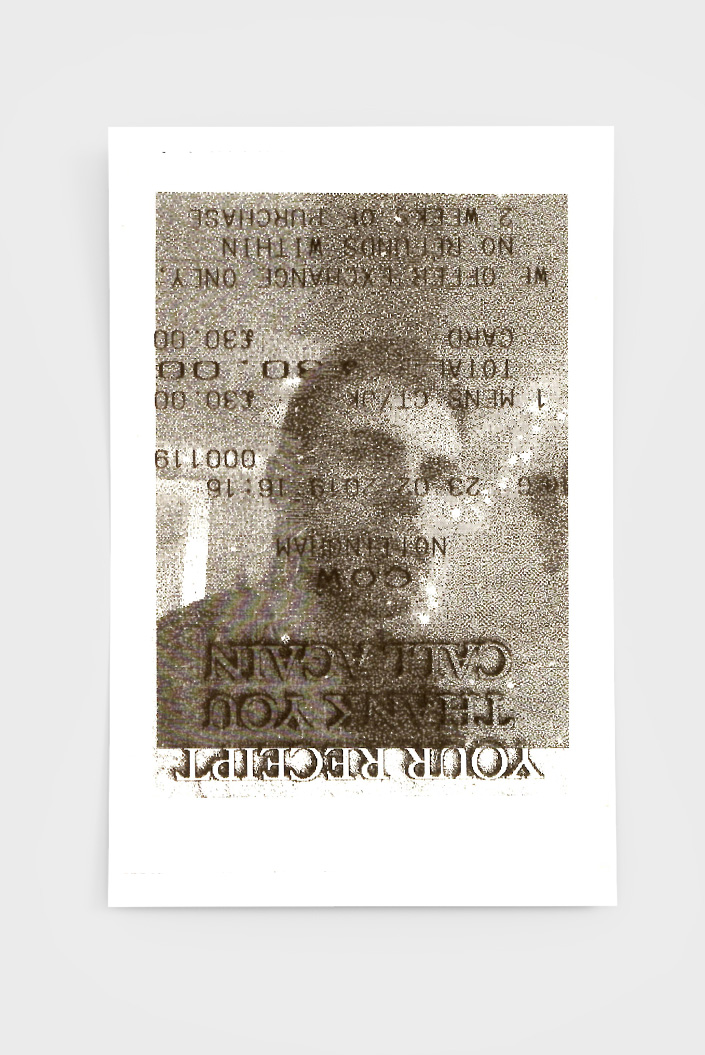
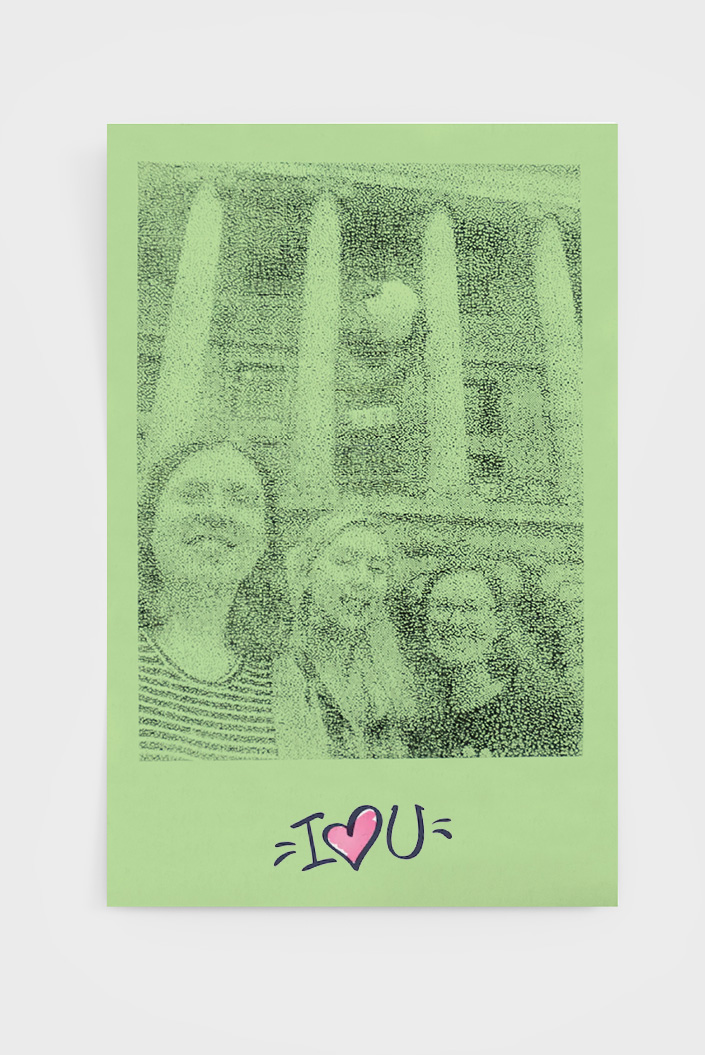
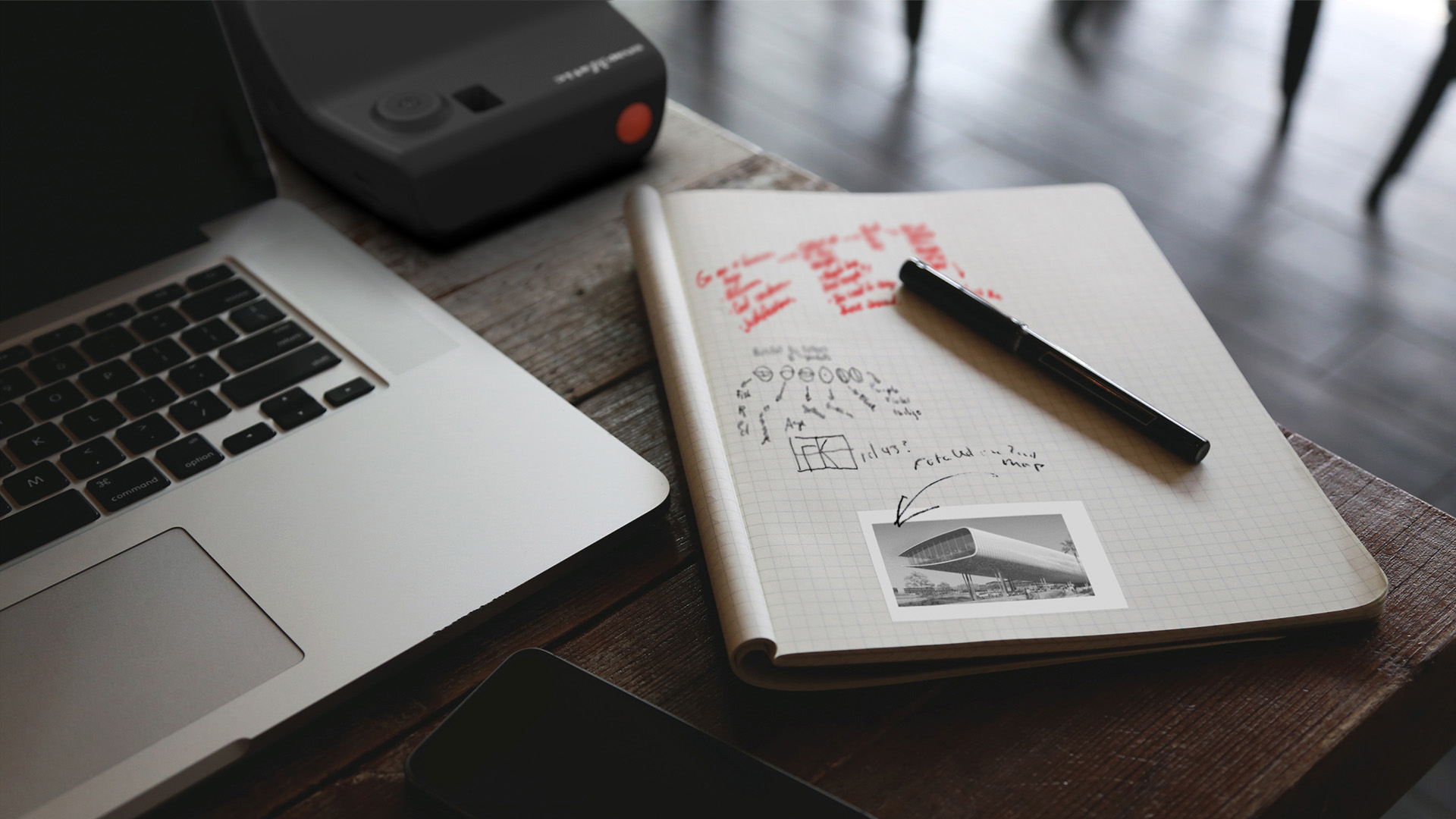
Sticky-backed thermal paper allows note takers or creatives to easily attach images to anything
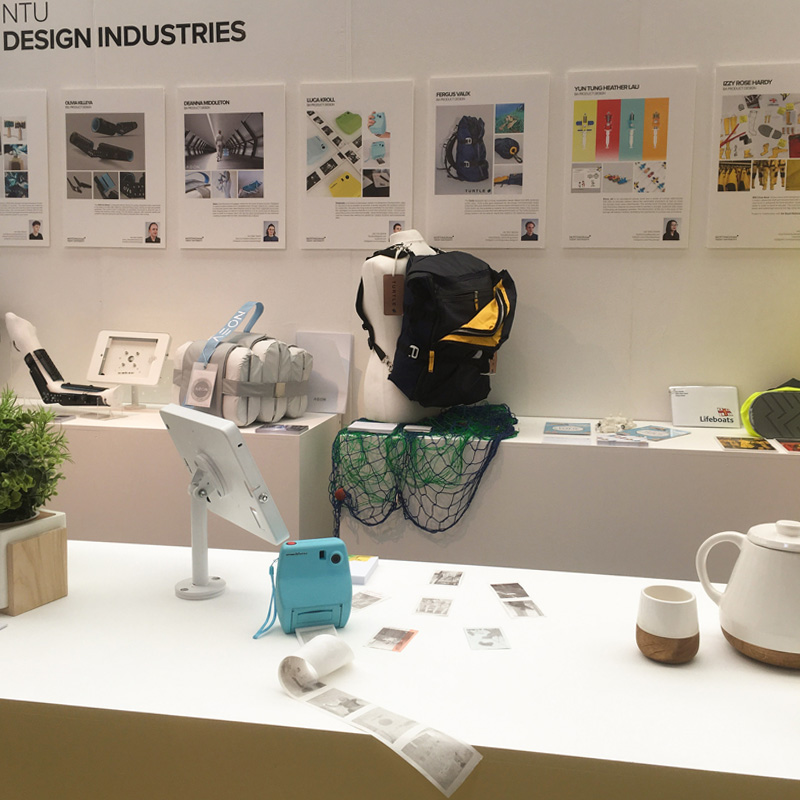
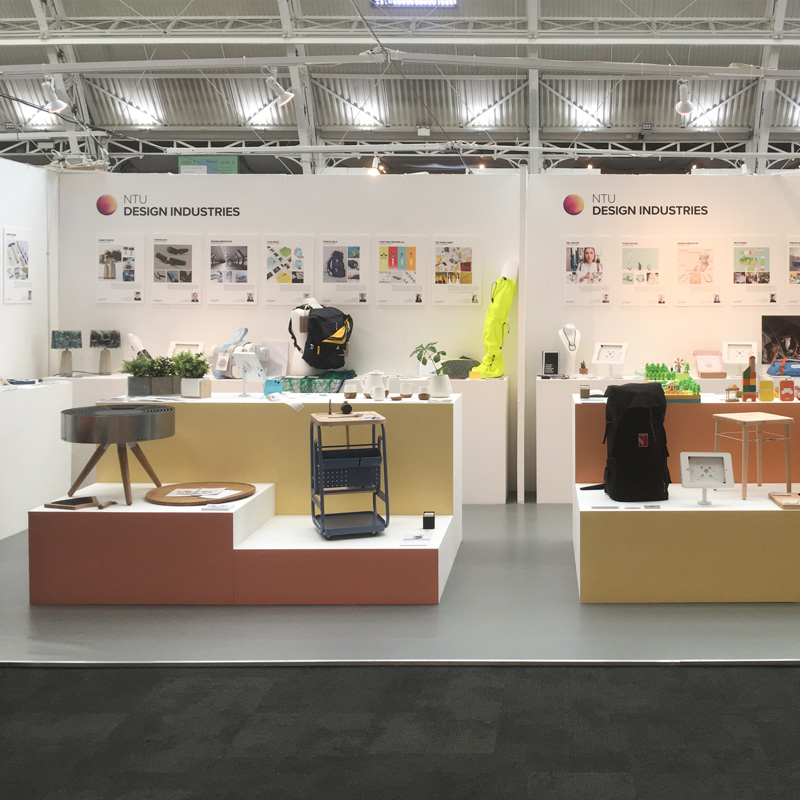
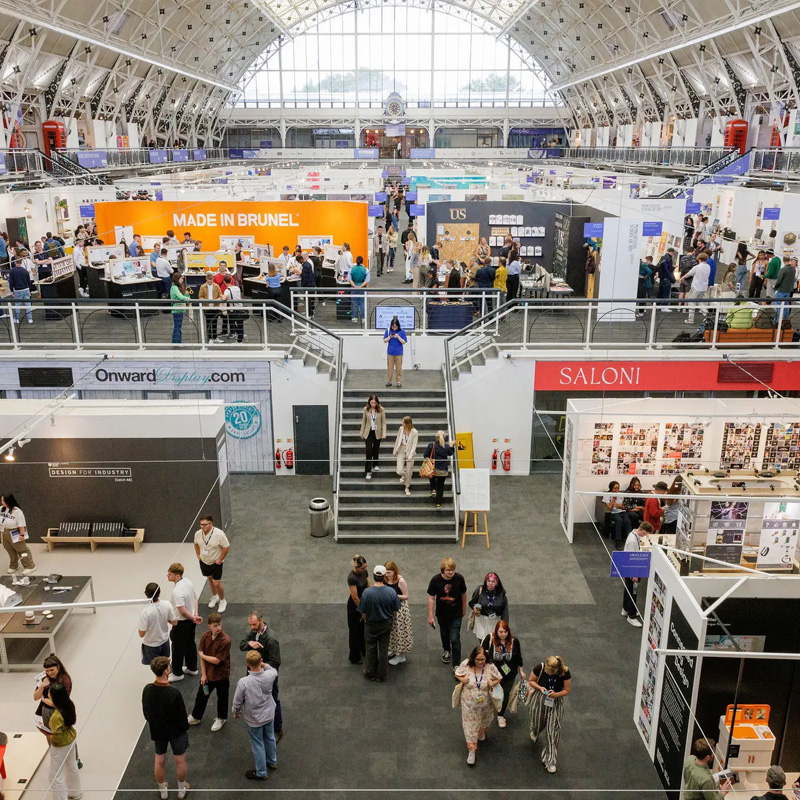
Exhibited New Designers 2019
Exhibited alongside other shortlisted designs for New Designers awards, attended by most of the student design communities across the UK.