Development
The development phase transforms concepts into refined, testable solutions through systematic iteration, prototyping, and research. This critical stage ensures that designs are both functional and manufacturable.
Prototyping
Prototyping is a critical phase in the development process where ideas are tested and refined through physical and sometimes digital models. This stage allows for validation of design concepts, testing of functionality, and discovery of potential issues before final production.
During this phase, problems inevitably arise that mean we have to re-design something. Our assumptions were wrong, or something isn't as manufacturable as one thought. I enjoy the problem-solving that this hurdle presents, as it pushes me to think creatively and find solutions to new problems.
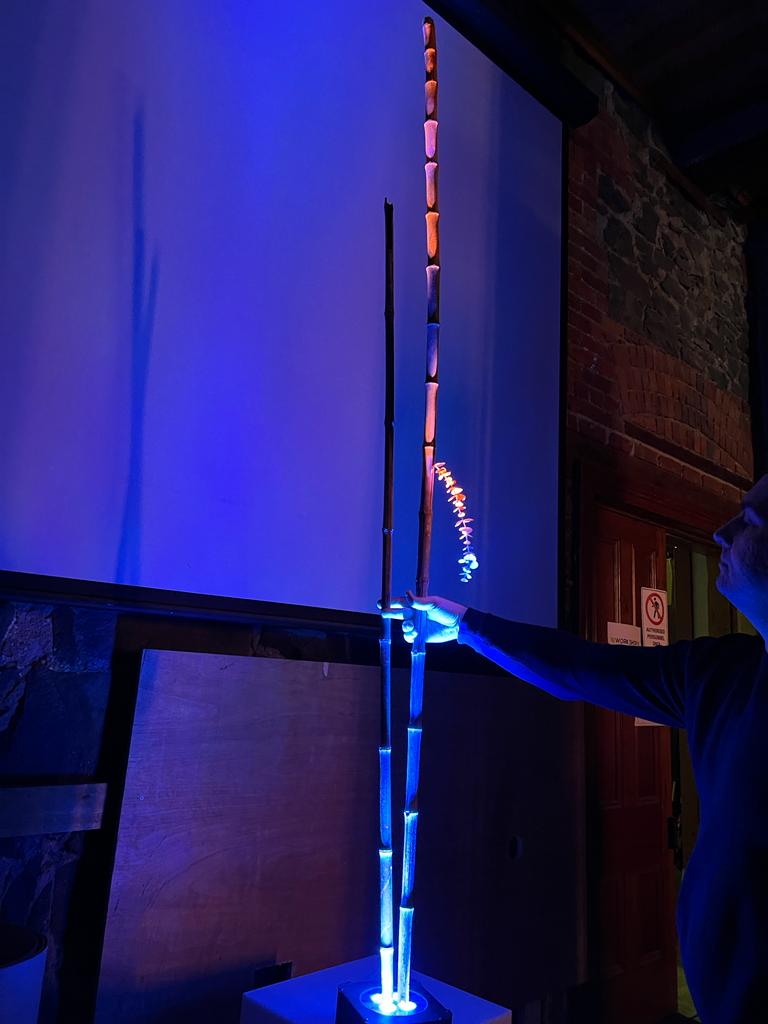
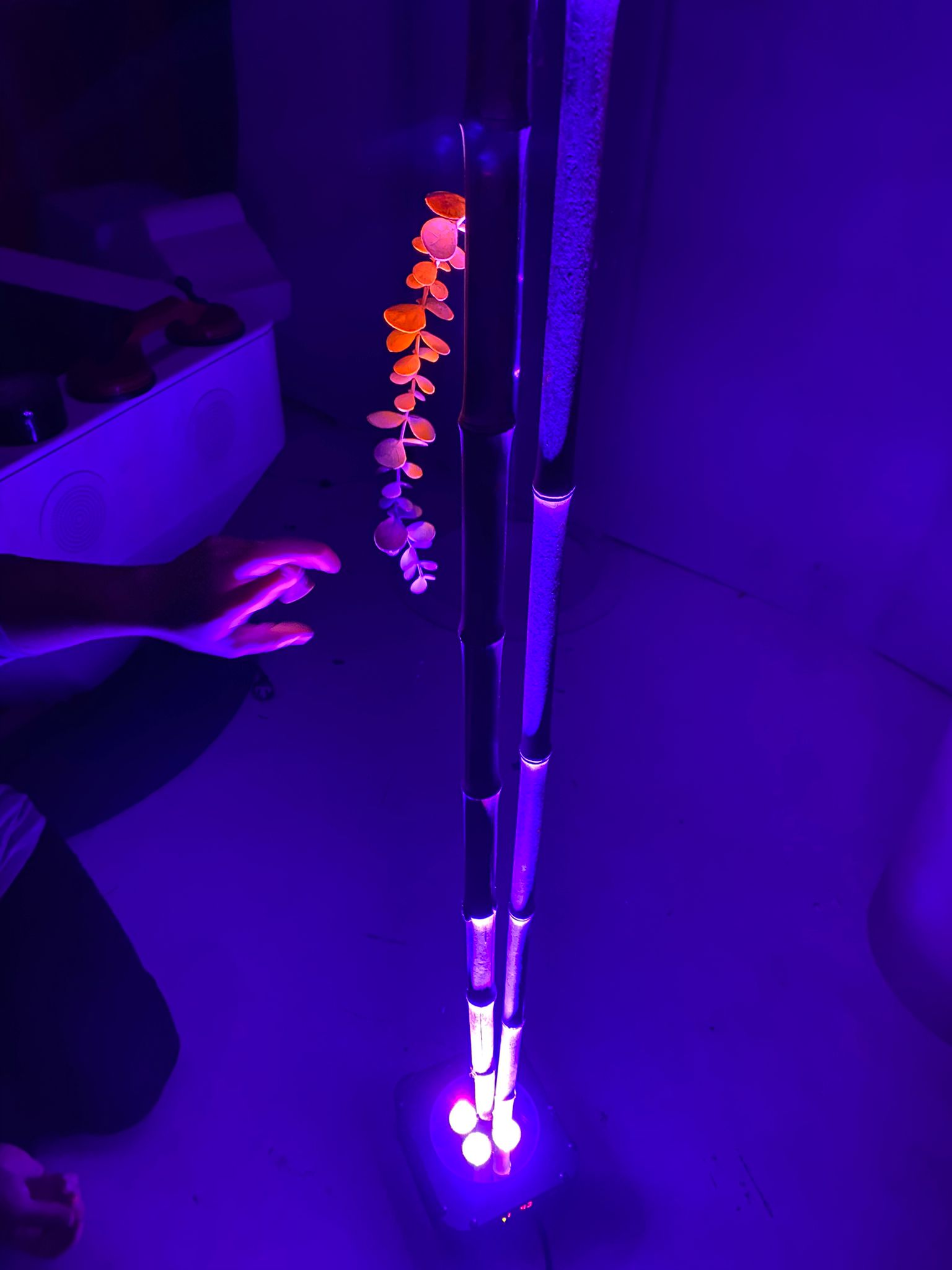
Producing as many models as quickly as possible allows for rapid iteration and learning. Providing the design team with a timeline surplus for further development and manufacturing development.
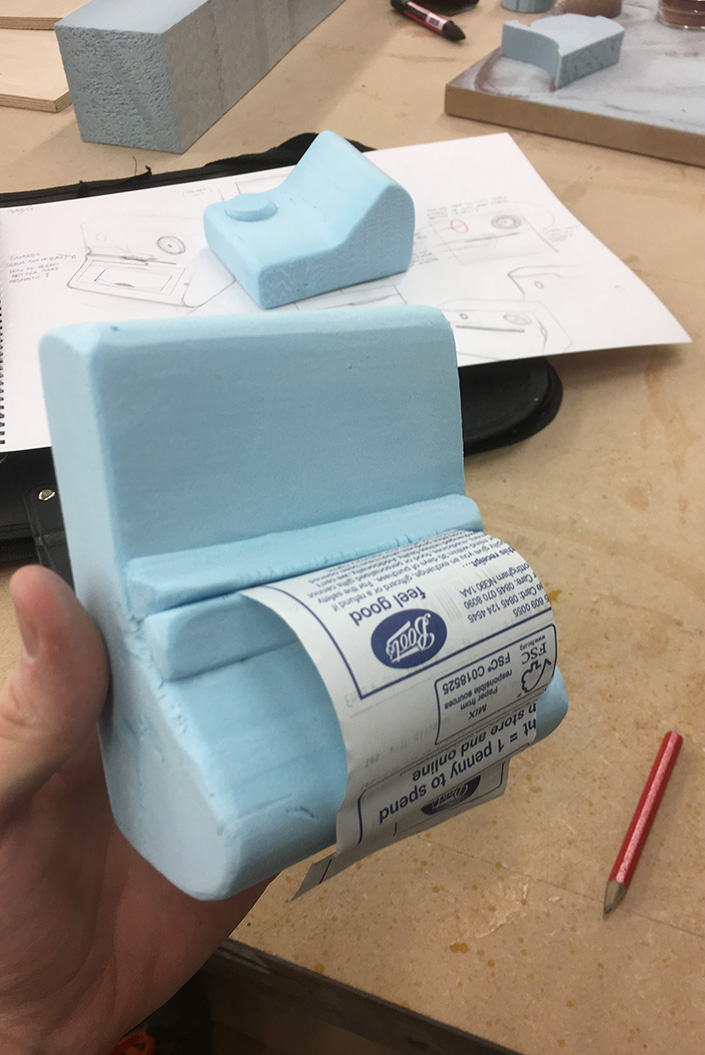
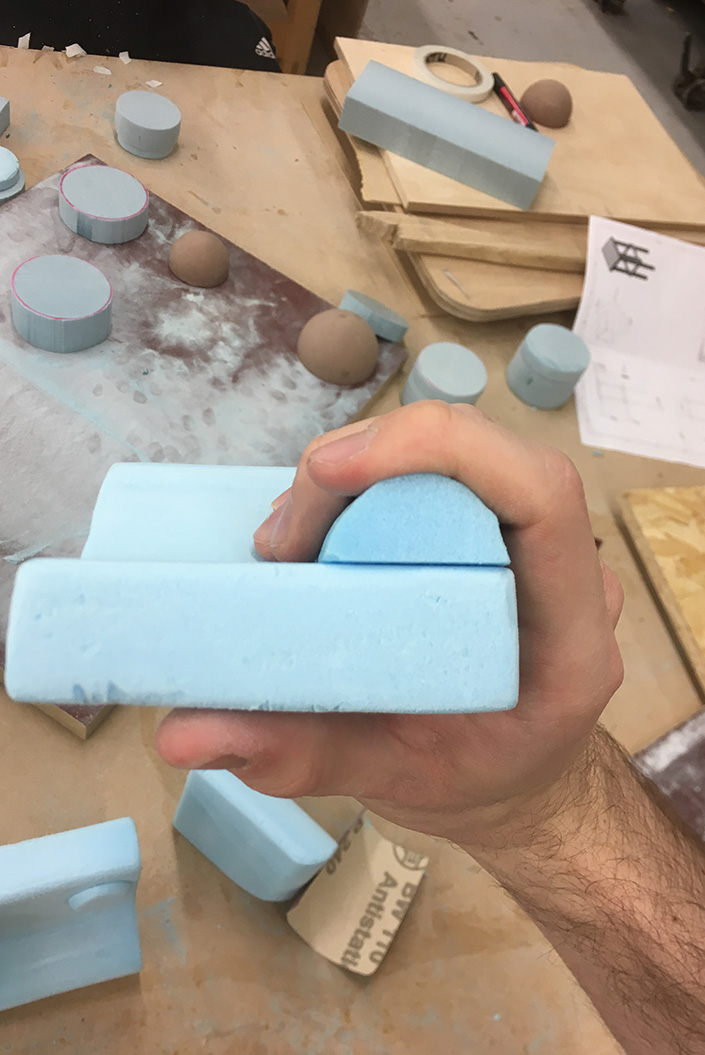
University project prototype, 2019
AI has reduced the barrier to entry for prototyping digital experiences, keeping up to date with AI, I revisited a project and mocked up a prototype that I wouldnt have been able to create before. The prototype is an artist discovery interface imagined for Spotify's platform.
Testing and Validation
Some problems are too big to tackle with tradition models, for example this playspace, measuring almost 20 meters in length for a client in the USA. Safety zones and product placement was developed electronically to ensure safety standards were met and user flow was optimized.
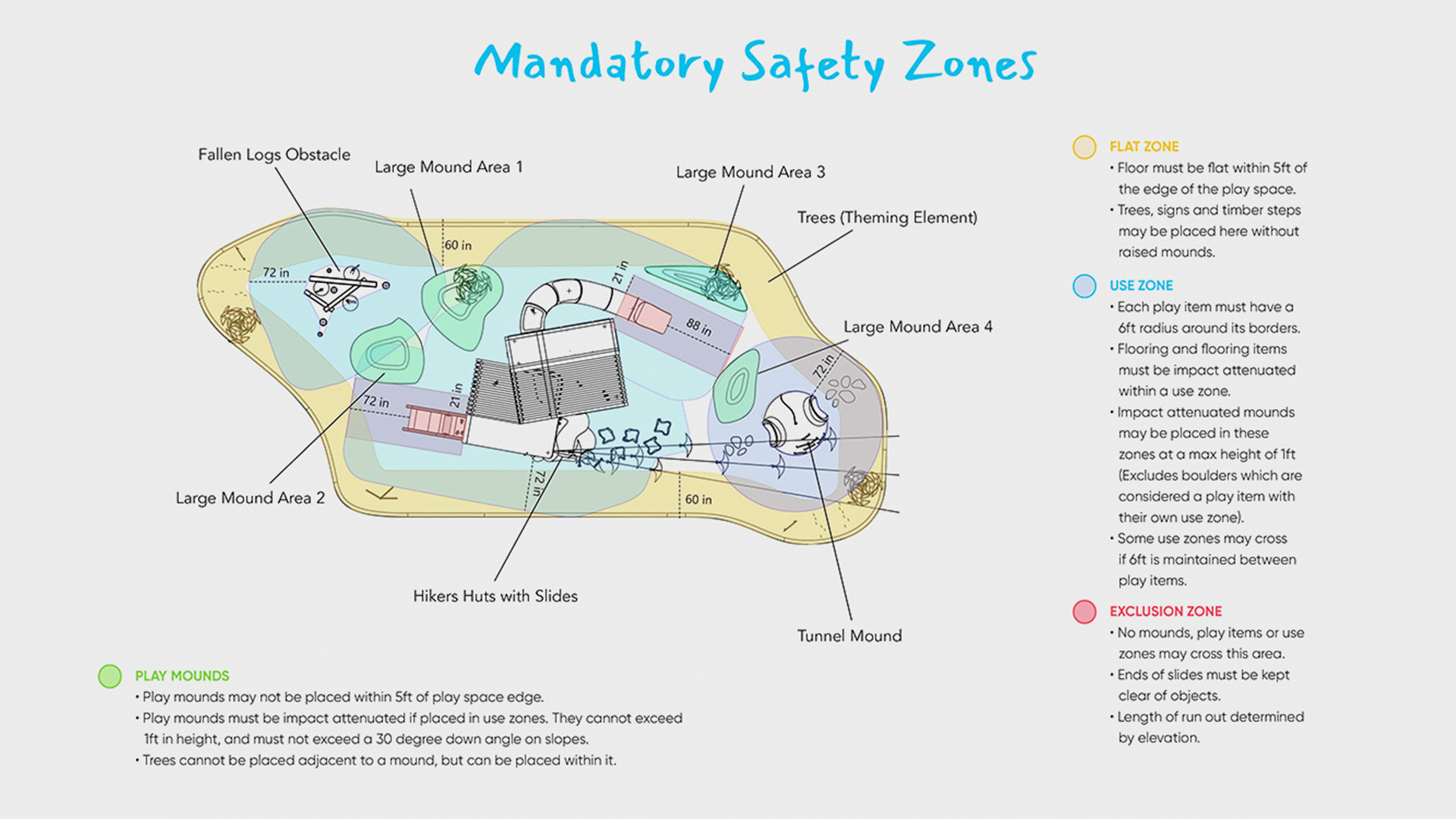
Playspace design layout and safety-zone mapping
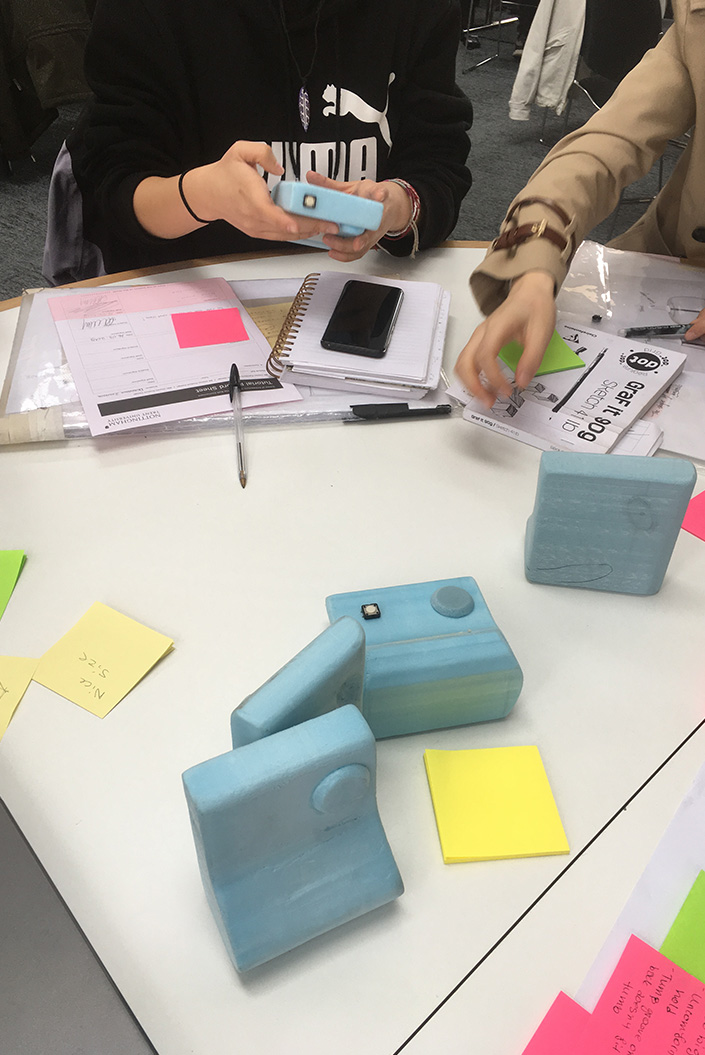
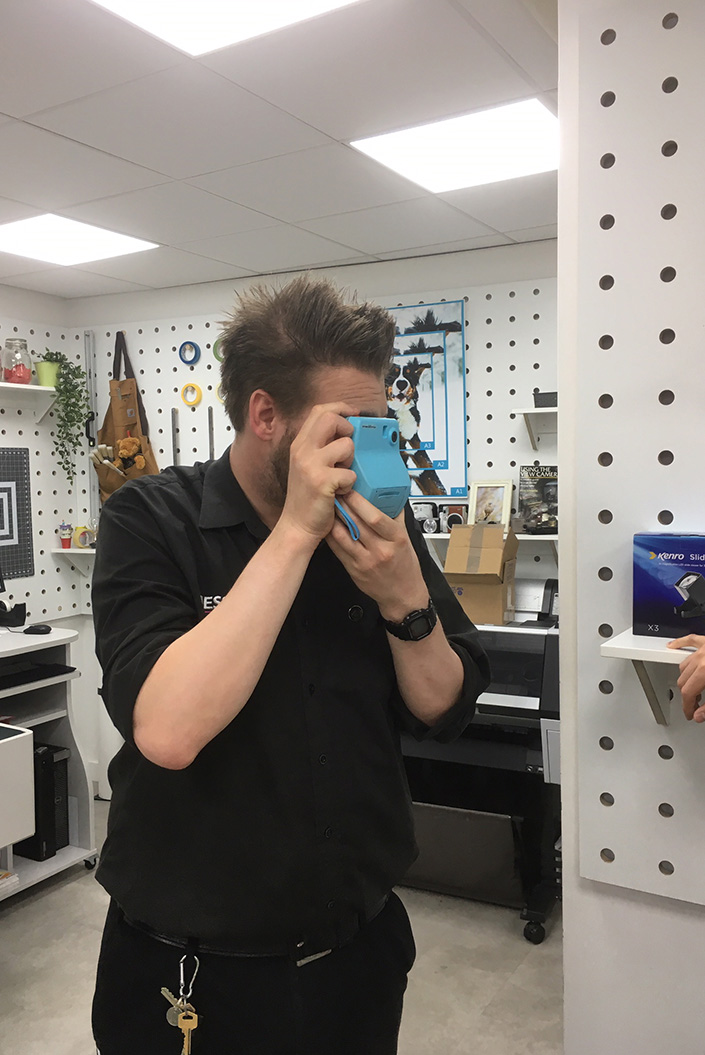
Using prototypes and models for users and clients to interact with provides invaluable feedback, which is essential for refining the design and ensuring it meets the intended requirements.
Technology
I have a keen interest in the future of technology and what thats means for design, I've used VR headsets, 3D scanning products, and 3D printers to visualise and model products and spaces. Using the latest technologies available is crucial for staying competitive and allows for instant, cheap production-adjescent models. This butterfly rigging mechanism is 3D printed, helping the design team to validate assumptions and send to market quicker.
3D Scanning helped to design a playspace into a very tight space at Malvern central in Melbourne. I took the initiative to create a detailed digital model of the existing space, which informed the design process and ensured that the final solution would fit seamlessly within the constraints.